
Hard water is costing you — a softener ends it.
Orlando's aquifer water is naturally hard: loaded with calcium and magnesium. You see it as white scale on faucets, spots on "clean" dishes, soap that won't lather, and laundry that comes out stiff. What you don't see is scale building up inside your water heater, dishwasher, and pipes — quietly shortening their lives and raising your energy bills.
What a water softener changes.
- No more scale — faucets, showerheads, and glass stay clean with a wipe, not a chisel.
- Softer skin and hair — soap actually lathers and rinses clean.
- Appliances last longer — water heaters, dishwashers, and washing machines run scale-free.
- Less soap and detergent — soft water cleans with far less product.
- Lower energy bills — a scale-free water heater heats water efficiently instead of fighting through mineral buildup.
Before & after (the hard-water version)
This is what your softener is fighting.
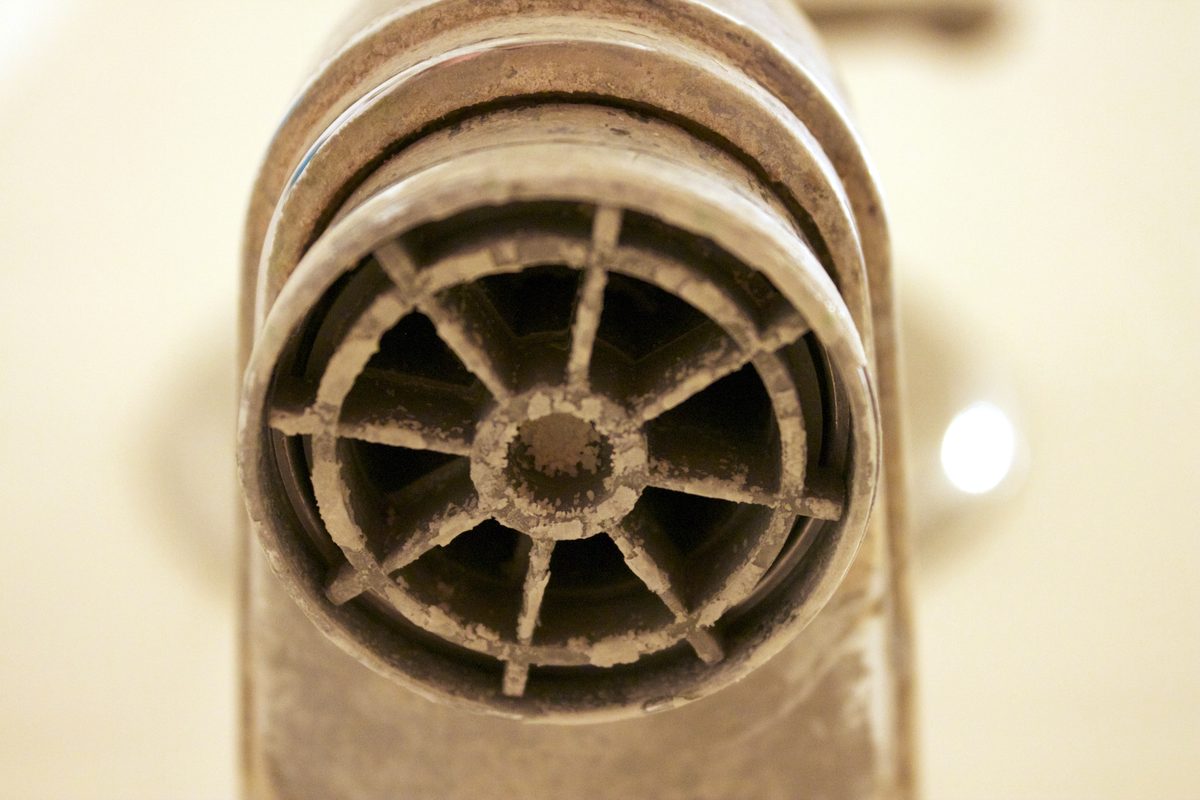
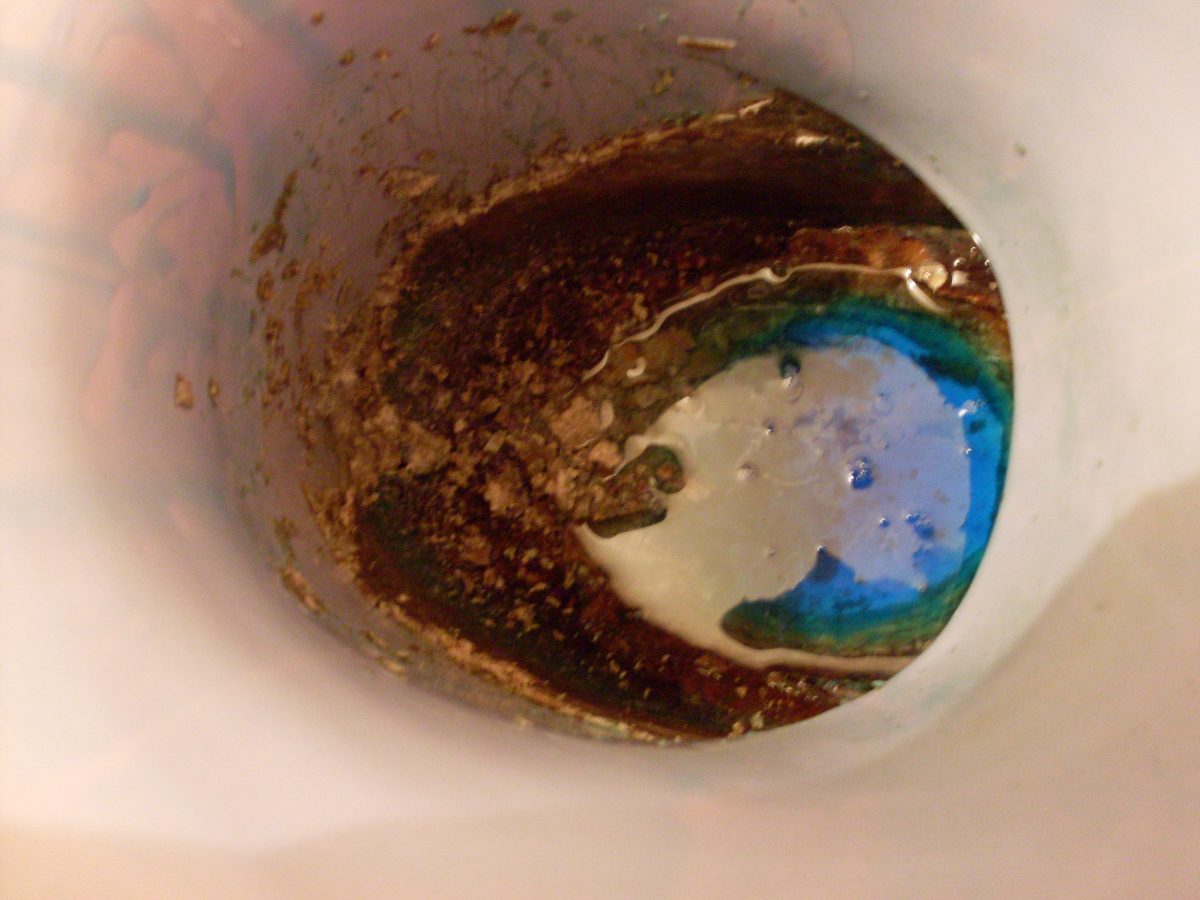
Real photos of mineral damage from untreated hard water — the same buildup a softener stops before it starts:
Shiny chrome. Full, even flow. Wipes clean in seconds.
Bright white bowl. A quick brush keeps it clean.
Clean metal element. Heats water fast and sips energy.
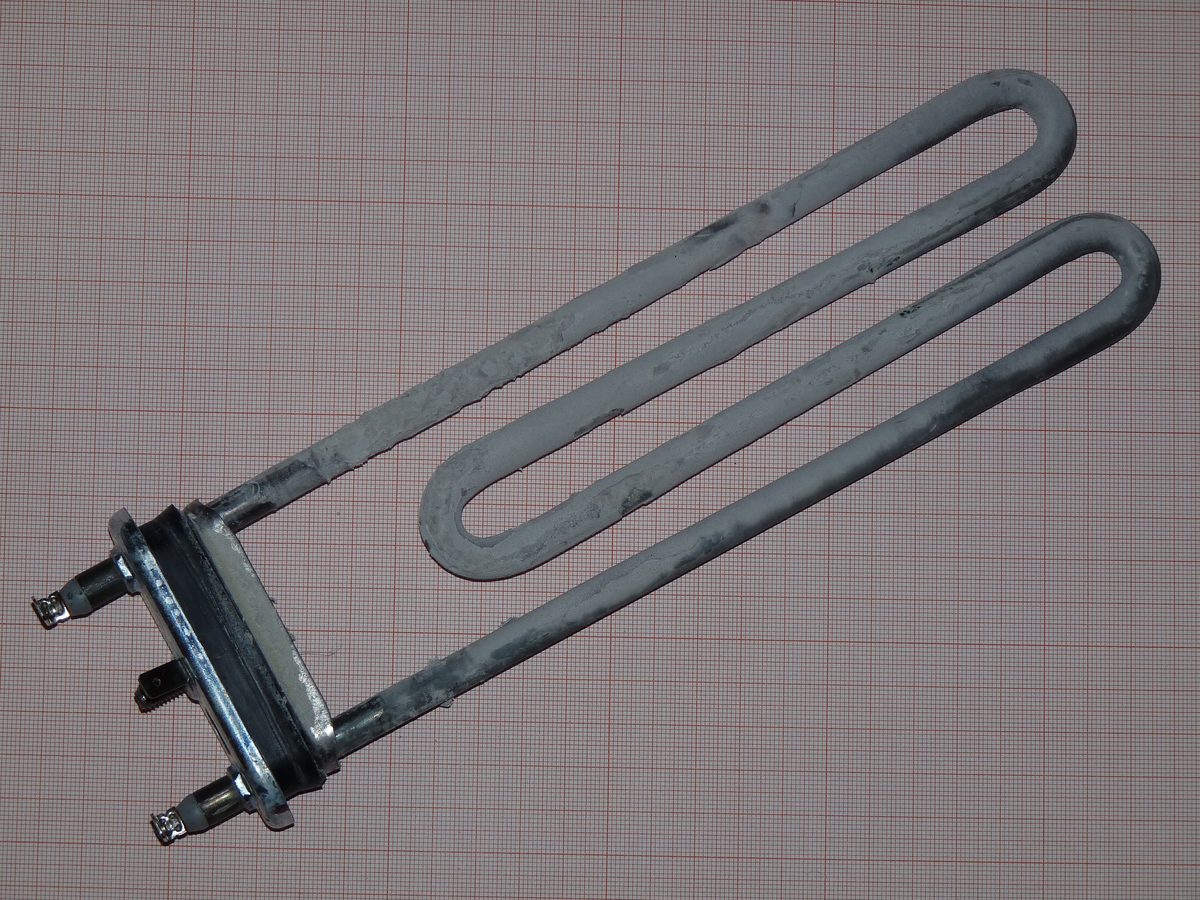
Illustrative comparison: each “day one” panel describes a new fixture, while the photos show real mineral damage caused by hard water (licensed images of different fixtures — not the same ones pictured on the left).
How softeners work (the 30-second version).
Hard water flows through a tank of resin beads charged with sodium or potassium ions. The beads grab calcium and magnesium and release the harmless ions instead — that's ion exchange. When the beads saturate, the system regenerates automatically (usually overnight), flushing the captured hardness down the drain and recharging the resin. Modern demand-based softeners regenerate only when needed, not on a wasteful fixed schedule.
Salt-free "conditioners"? They exist, but they don't remove hardness — they only reduce scale adhesion. If your test shows genuinely hard water, a true ion-exchange softener is the proven fix. See 5 signs your home needs a water softener.
Sized to your home, installed in a day.
We measure your exact grains-per-gallon and size the softener to your household.
Too small and it regenerates constantly; too big and you overpay. We size by bathrooms, occupants, and test results.
At the main line with a bypass valve — usually done in half a day.
Water softener FAQ.
Will softened water taste salty?
No. The sodium added is tiny — roughly equivalent to a slice of bread's worth per day for a typical household. If you're on a sodium-restricted diet, potassium-based regeneration is available, or keep an RO system at the kitchen sink for drinking water.
How much salt will I use?
A right-sized, demand-regenerated softener for a typical Orlando family uses roughly a bag or two of salt per month. We set it efficiently at install.
Do I still need a drinking-water filter?
A softener handles hardness, not chlorine or taste. Most families pair it with whole-home filtration or an under-sink RO system for the kitchen.
Tired of fighting scale and spots?
Schedule your free water test — we'll measure your exact hardness and show you what a softener changes in your home.